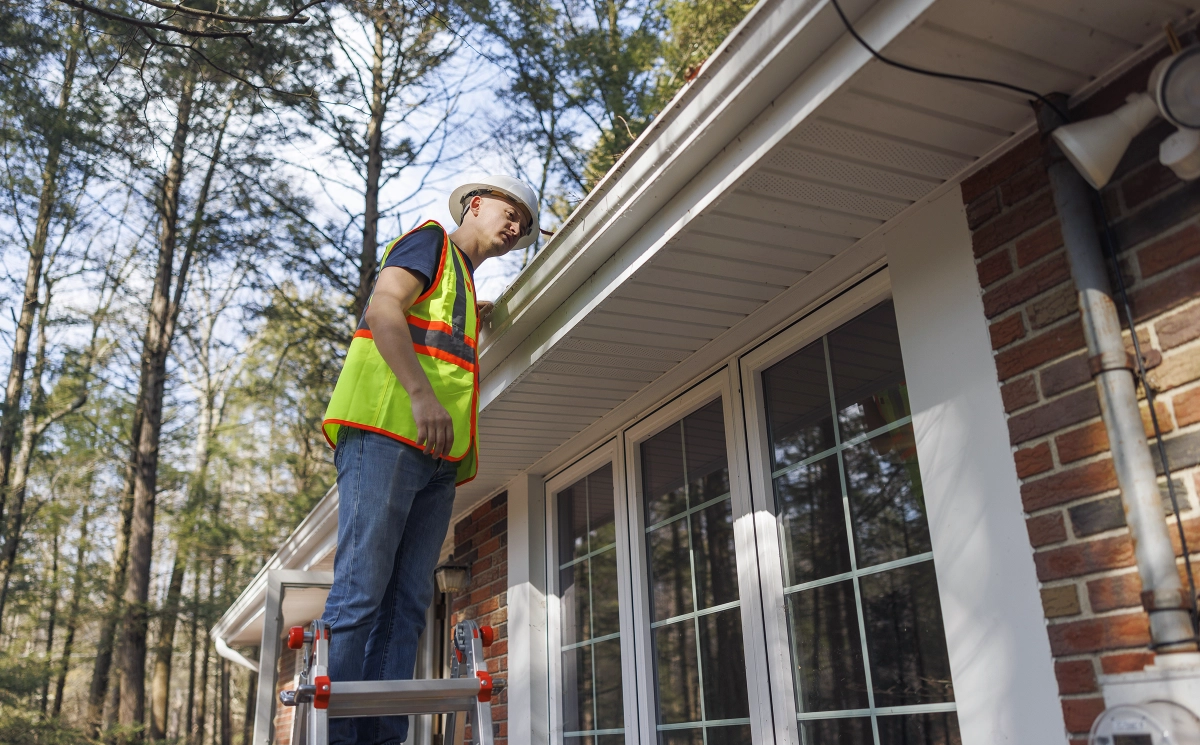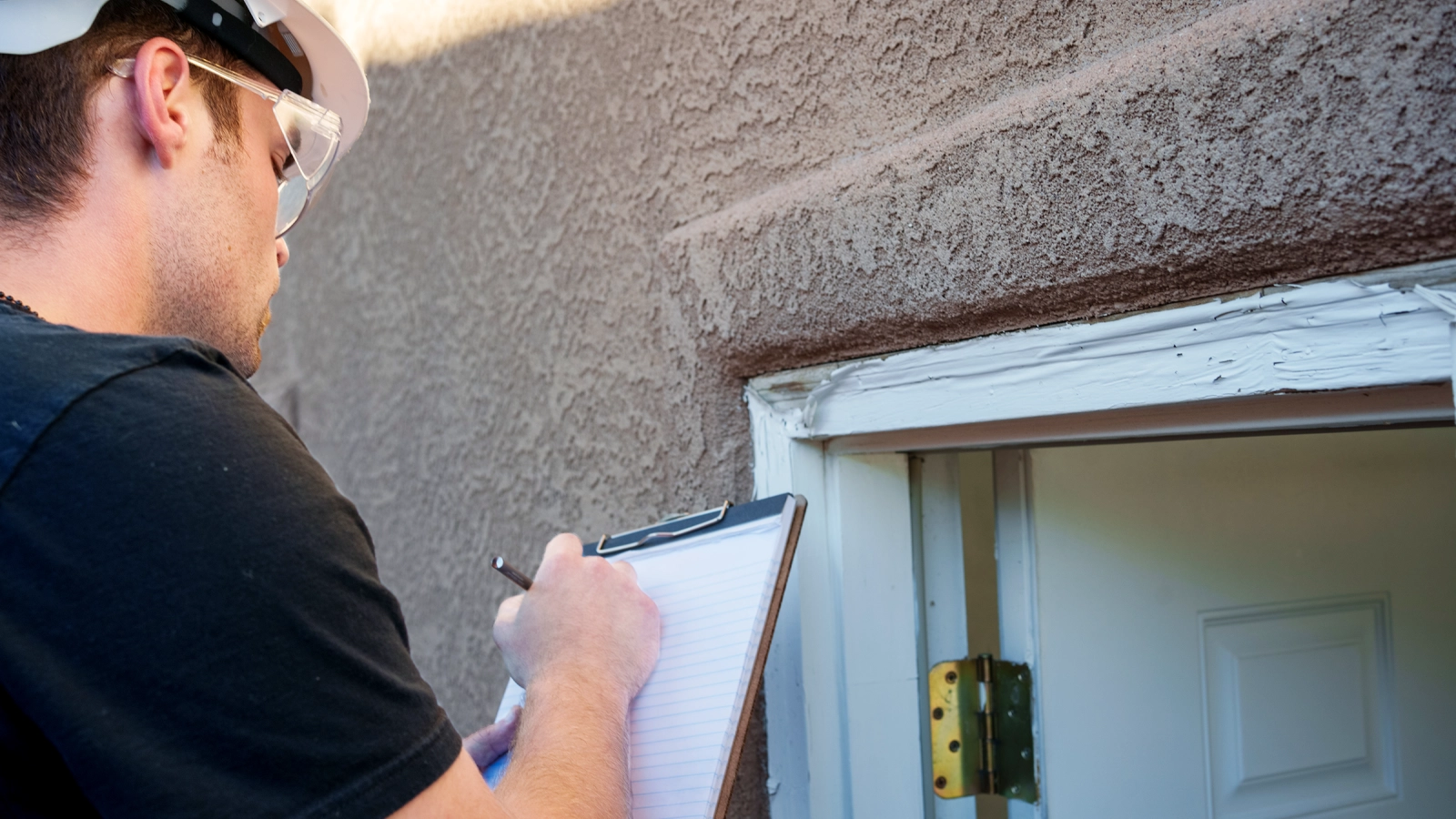
The purpose of an inspection is to identify potential problems with the property and assess its overall condition. But once the building inspector has handed in their report, how can you be certain it’s comprehensive and reliable?
This multi-page document can be perplexing!
What Does the Inspection Report Cover?
A building inspection report typically contains:
- General information: The property’s address, the date of the inspection, the inspector’s name as well as their qualifications and licence number.
- A summary of the inspector’s observations: An overview of the main findings, including components requiring immediate attention or future work.
- An evaluation of the main components: The report must describe the condition of the roof, attic, foundation, walls, doors and windows, electrical and plumbing systems, heating and ventilation, and insulation.
- Detected anomalies and defects: A list of identified defects with explanations of their potential impact and recommendations for correcting them.
- Photos: Images illustrating the inspector’s observations to help you better understand the concerns they’ve raised.
- The inspection’s limitations: The areas that couldn’t be inspected due to restricted access, an obstacle, or other constraints.
- Recommendations: A list of experts to consult for further analysis, such as a structural engineer or a certified electrician.
How Can You Be Certain You Have a Comprehensive Report?
A good indicator is if the inspector has duly completed every section of the inspection report, according to building inspector Alexandre Cormier.
The sections are generally divided into categories, such as roof, attic, foundation, interior components, exterior components, and mechanical systems (electricity and plumbing).
I also want to emphasize how important it is to have lots of photographs. A report containing several photos gives a fuller picture and proves that the inspector has done their job. Plus, it’s easier for the client to understand what the inspector is saying when the explanation comes with a visual.
Building inspector
What to Do If There’s an Issue?
Furthermore, if the building inspector does note anomalies or concerns, they must assess the severity of the problem and recommend the appropriate professional for a more detailed inspection.
This must be clearly stated in the report. “But in all cases, the inspector must remain impartial and only state the facts observed,” insists Mr. Cormier. It’s thus up to the buyer and their broker to read the report carefully and interpret the information it contains.
If costly renovations are needed, the buyer can either choose to withdraw their purchase offer or negotiate a lower price.
The report may also include a list of areas that couldn’t be inspected for various reasons, such as limited access. In this case, if the buyer purchases the property, they recognize that they do so without full knowledge of the facts.
Hidden Defects: Do the Inspection and Legal Warranty Protect the Buyer?
The legal warranty protects the buyer against hidden defects, but it doesn’t replace a pre-purchase inspection.
An inspection can identify visible and potentially foreseeable problems, but it can’t guarantee the absence of hidden defects, which, by definition, aren’t discernable during a building inspection. However, a detailed inspection report can help prove that a problem should have been discovered before the purchase, which might impact how a hidden defect claim is decided.
Here’s a concrete example:
A buyer has a house inspected and the inspector detects signs of water infiltration in the basement (efflorescence on the foundation walls, high humidity levels, suspicious cracks). The inspection allows the buyer to
- request an assessment by a technical expert (for example, an infiltrometry test or partial excavation);
- negotiate with the seller to have repairs carried out or to lower the price; or
- decide not to buy the property to avoid having to deal with a costly issue.
Without the inspection, the buyer might have only discovered a major leak requiring expensive drainage and waterproofing work months later.
We would like to conclude by reminding you that it’s the buyer’s responsibility to ensure they understand the inspector’s report. The buyer shouldn’t hesitate to ask the inspector questions or to consult their broker for further details, if necessary.