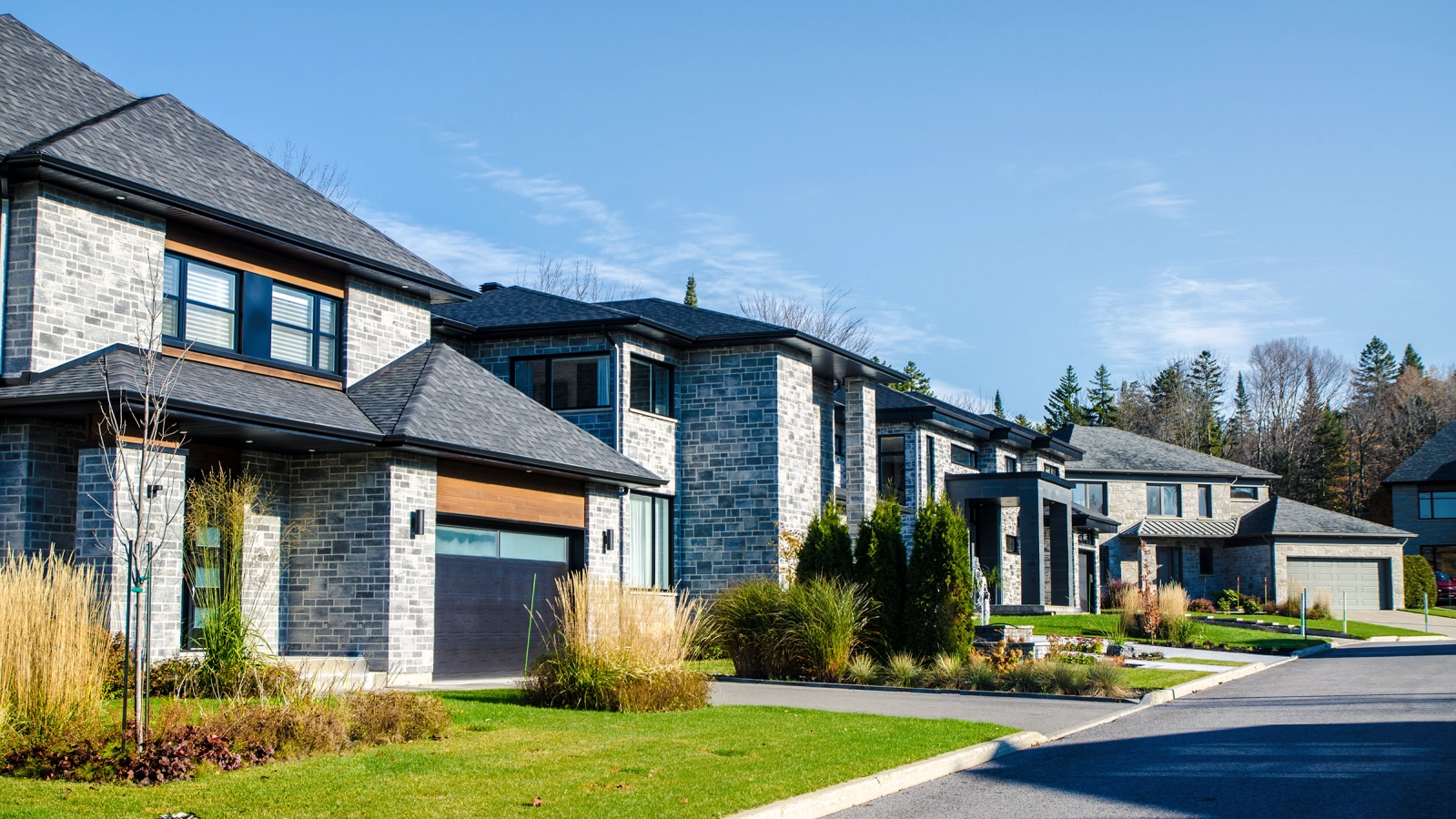
Did you know that buying a new construction involves a unique process? Let’s take a closer look!
One aspect of this process that discourages buyers (especially first-time buyers) is paying various mandatory deposits as the project progresses. In fact, real estate developers have the right to request sums of money, sometimes amounting to several thousand dollars, at various stages during construction.
Despite this, many buyers prefer purchasing a newly constructed house. They like the fact that it’s never been lived in, is modern in style, and is customizable.
Do you dream of purchasing a new condo or house? Here’s what you need to know.
What Are the Steps?
1. Find a Broker
Choosing new is also choosing the unknown!
People don’t typically think of working with a real estate broker when buying a new construction; yet the broker can advise and reassure their clients through every step of the process.
For example, many people don’t know that it’s possible to submit a purchase offer on a new home to obtain a lower price than the one advertised by the developer.

Rely on RE/MAX expertise to support you
Find a broker2. Pick a Real Estate Developer
Next, it’s important to check the builder’s reputation by reading reviews, researching completed projects, and finding out if complaints have been lodged against them.
At this stage, the broker will play a critical role in investigating the developer. For example, they will find out whether the company is new to the market and inexperienced, whether it has committed any offences while operating under a different name, and whether any of its projects have serious issues, etc.
Real estate broker
3. Select a project
Then, you must choose a project that corresponds to your needs.
Make certain, as well, that the developer has registered the project with the Guarantee Plan for New Residential Buildings (see the paragraph explaining Québec’s new Guarantee Plan below). This plan consists of a five-year warranty covering certain components of a new construction to protect the buyer should a problem arise.
Good to Know
We’re you aware that some real estate developers offer financial incentives to assist first-time buyers! What a great opportunity!
4. Visit the Lot
If you’ve chosen a new development far from an urban centre, this step is crucial in preventing any disappointment. Imagine purchasing a home on a lot that isn’t connected to public infrastructure (water, sewer, electricity, etc.). Or a lot with soil unsuitable for installing an in-ground pool, even though this is one of your requirements.
Again, you can rely on your broker to carry out the necessary checks.
5. Prepare and Sign the Legal Documents
When purchasing a new construction, buyers must fill out different forms than for a pre-owned home. If fact, it’s the Guarantee Plan for New Residential Buildings (GCR) established by the Government of Québec to administer the documents for purchasing a new home (instead of the Organisme d’autoréglementation du courtage immobilier du Québec (OACIQ).
One of the key documents to sign will be the preliminary contract, which binds both parties (buyer and developer) and contains details on the price, the model chosen, additions, timelines, and the scope of the work. It also includes clauses regarding the warranty and penalties for delays.
It’s important that the buyer fully understands the particulars of their agreement with the developer.
6. Obtain Financing
As with the purchase of a pre-owned home, the buyer will need to obtain financing for their mortgage to complete the purchase. This will be the time to shop around for a financial product that not only offers an attractive interest rate, but also a high degree of flexibility. To assist you with this stage of the process, consult our articles:
- Applying for Mortgage Pre-Approval
- 20, 25 or 30 Years: Which Amortization Period to Choose?
- Fixed or Variable Rate: What’s the Best Option?
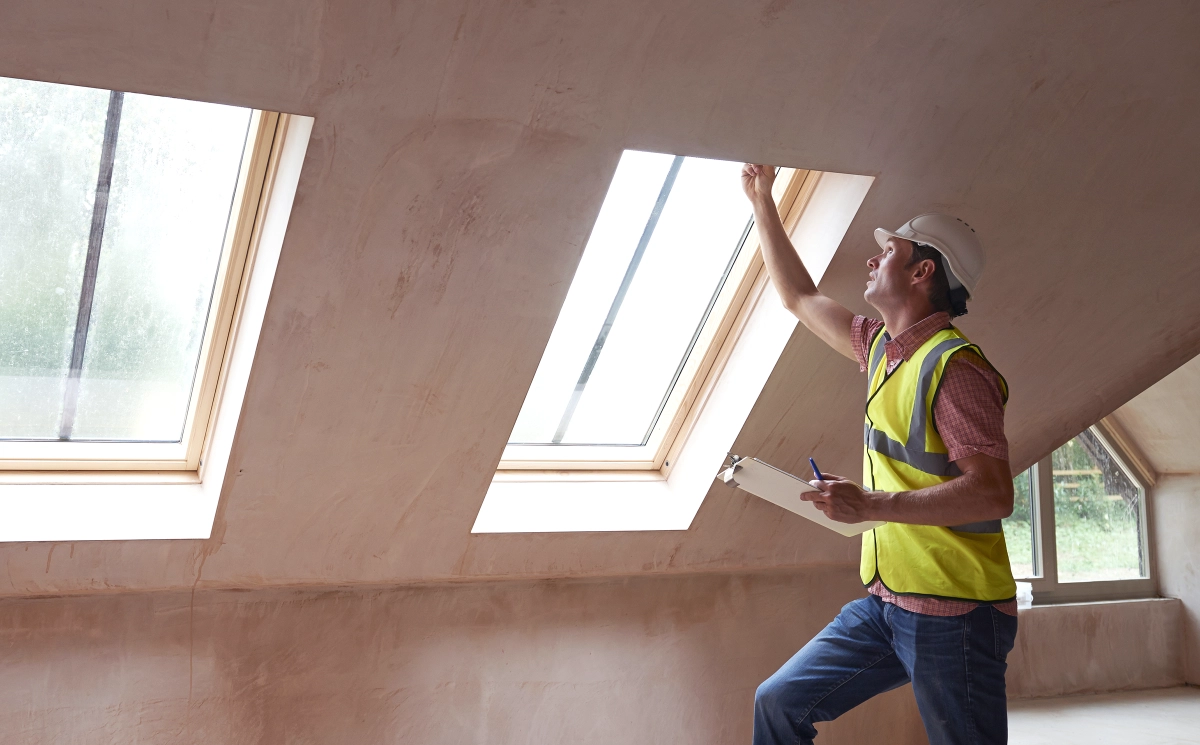
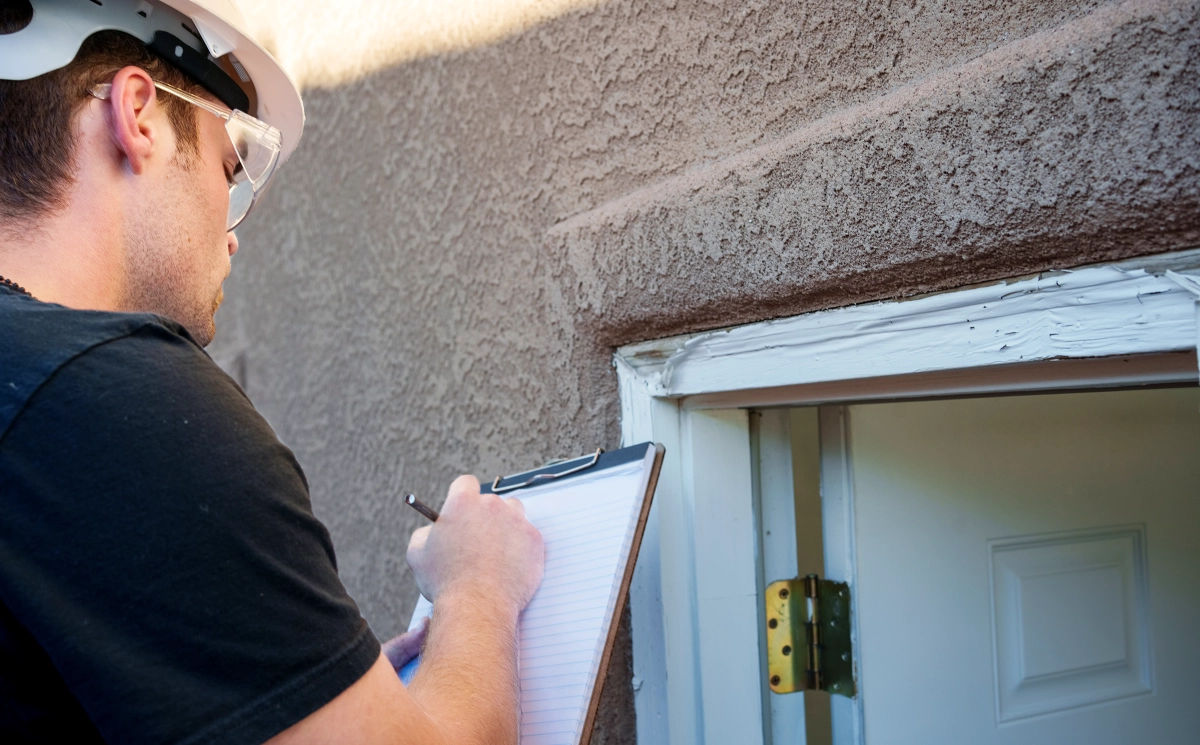
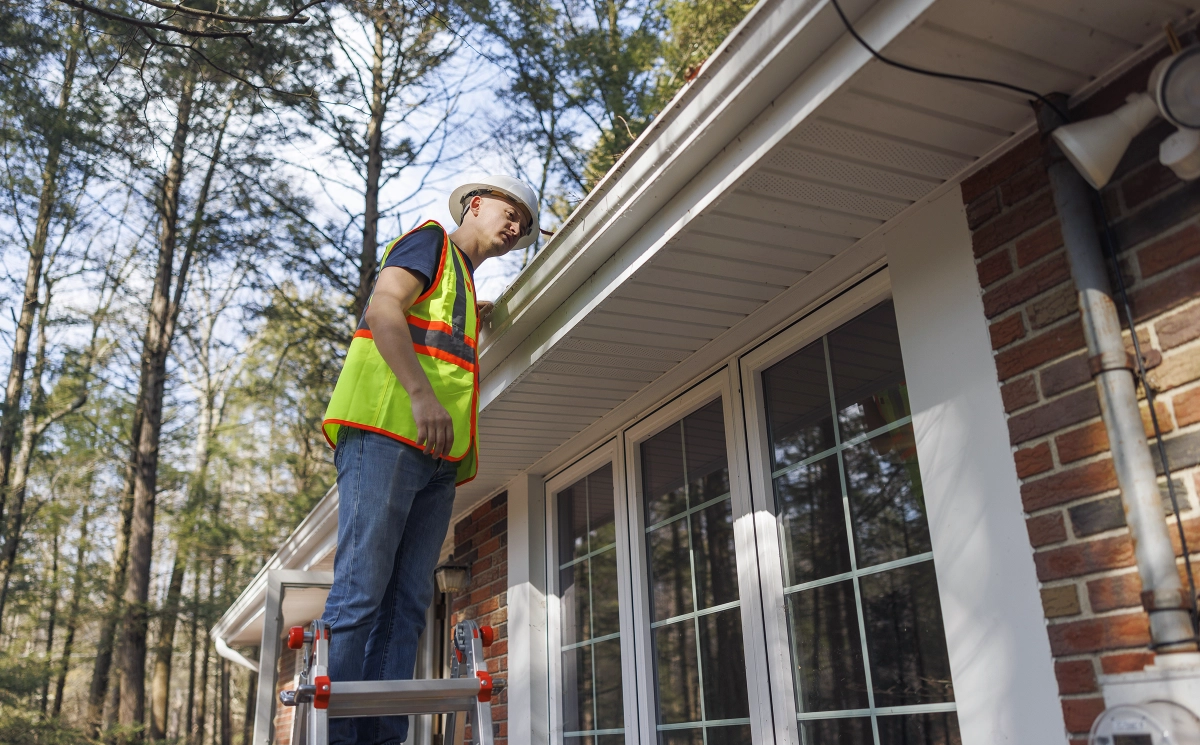
7. Have It Inspected
A GCR technician will carry out the inspection toward the conclusion of the residence’s sale process. Since this organization oversees the Guarantee Plan, it only makes sense that it’s likewise responsible for ensuring the property meets applicable standards.
As the buyer, it’s important you note any deficiencies on the inspection form and request improvements from the builder. It’s within your rights to do so!
Our Tip
Have the property inspected by an independent building inspector working exclusively for you. Just because it’s new doesn’t mean it’s in good condition!
To learn more, read this article’s section New residence pre-acceptance.
8. Take Possession
Once the inspection has been completed, all that remains is to formalize the purchase at the notary’s office, as with any property.
The Potential Drawbacks of Buying New
Construction Delays
Real estate development projects are sometimes subject to delays due to weather conditions, material shortages, or administrative issues.
Extras and Additional Costs
The advertised prices don’t cover everything (landscaping, basement finishing, appliances, etc.). The included materials are often mid to low range or less aesthetically pleasing. It’s thus not rare for the finished property to cost much more than the initially selected model.
- Request a detailed list of what the base price includes.
- Add the costs to finish the basement, pave the driveway, erect a fence, etc., to your medium-term budget.
Construction Defects
Despite not having been lived in yet, the house may still present certain defects upon delivery (poor insulation, water leaks, cracks in the walls, etc.). This is why it’s important to fully understand the Guarantee Plan.
What’s the Guarantee Plan for New Residential Buildings?
All new residential constructions must be covered by a mandatory five-year warranty plan administered by the GCR.
These are the protections it offers:
- Predelivery: deposit refund in the event the builder declares bankruptcy.
- 1 year: visible work quality warranty (paint, cladding, interior finishes, etc.).
- 3 years: hidden defect warranty.
- 5 years: major defect warranty on issues affecting the building’s structural integrity.
If a problem arises, the buyer must report the defects to the builder and, if necessary, contact the GCR. This organization also offers an arbitration service to settle disputes between developers and buyers. If this doesn’t resolve the issue, the buyer can take legal action.
We also advise all condo or house owners whose warranty is about to expire to inspect their property to ensure that everything is in order and to call the GCR if they notice any irregularities.
Is a real estate developer planning a new neighbourhood in your area and you would like to build a property there? Contact a broker who can guide you through this particular purchase’s various stages.