Buying a property is exciting but also complex, especially for first-time buyers. Not sure where to start? This guide will help you navigate the purchase process, from making initial decisions to moving into your new home.
One of the first steps, before you even begin looking up properties on listing sites, is to define what you’re searching for in terms of real estate.
1. Determining Your Needs and Priorities
Before consulting property listing websites such as RE/MAX Québec, take the time to consider what you’re looking for in a home. Here are a few questions to help you identify your needs:
- Type of property: Do you want a condo, a single-family home, a duplex, or a townhouse?
- Lot preferences: Do you want a yard lined with mature trees? With privacy? With plenty of space to play? Fully landscaped?
- Location: Would you prefer a neighbourhood in the city near services or the quiet of the suburbs? An isolated home in the country might also be worth considering!
- Special features: How many bedrooms and bathrooms would you like? Do you want a home office, a garage, or any other special features?
- Renovations: To what extent should this property be turnkey? Would having to renovate one or two rooms temper your enthusiasm?
Setting your priorities will ensure you don’t waste time on unsuitable properties. You can also show your broker your checklist during your first meeting. They will ask you further questions, if necessary, to exactly identify the type of property that most fits your needs.
2. Plan Your Budget and Calculate Your Borrowing Capacity
Beginning by establishing a budget is always best. You may in fact have to adapt some of your criteria to fit your borrowing capacity. Here are the main points to consider:
- Income and Expenses: Calculate how much you can afford to spend each month without compromising your other financial obligations.
- Downpayment: As a general rule, the minimum downpayment is 5% for the first $500,000 and 10% for any amount above that threshold.
This rule exists for two reasons:
On the one hand, this rule aims to reduce risks for mortgage insurers (such as the CMHC) in the event of non-payment. When a buyer makes a small downpayment on an expensive property, the risk for the insurer increases. Requiring a higher contribution for the portion over $500,000 ensures the buyer has more financial flexibility, making it less likely that they’ll default on their mortgage.
On the other hand, this rule also seeks to encourage responsible personal finance management. Buying a more expensive property presupposes a certain level of financial stability. Demanding a larger downpayment for the portion exceeding $500,000, keeps buyers from taking on more debt than they can afford.
- Borrowing capacity: You can use an online borrowing capacity calculator, which takes your income, your level of debt, and your downpayment amount into account. But this isn’t as accurate as a mortgage pre-approval (see next point).
Also factor in additional expenses such as notary fees, land transfer tax (the “welcome tax”), inspection fees, and moving costs.
3. Get a Pre-Approved for a Mortgage
Once you’ve set your budget, schedule an appointment with your financial institution to obtain a mortgage pre-approval. This document shows sellers that you’re serious and able to finance the purchase, which can work in your favour during negotiations.
The process is simple: the financial institution reviews your income, debts, and credit history to determine the maximum amount it can lend you. Pre-approval can also lock in an interest rate for a set period (usually 90 to 120 days). Useful if interest rates rise while you’re searching for a property.
Please note that this document remains exclusive to the institution you have dealt with. This means that if you decide to go with another lender for your property purchase, this financial institution will want to repeat the process to determine how much they themselves are willing to lend you. But the results tend to be consistent from one lender to another.
4. Choose Your Real Estate Broker
Meeting with several real estate brokers is recommended. Invest time in finding the one you feel most confident about entrusting one of the most important transactions in your life to. There are additional factors you should consider before choosing, like how well the broker knows the municipality you wish to live in. For advice on how to find the right broker for you, consult our article.

Benefit from the expertise of a broker
Trust in RE/MAX’s expertise for your first purchase.
FIND A REAL ESTATE BROKER5. Find the Right Property
A broker plays is instrumental in guiding buyers as they search for the ideal home. They can identify which properties match the buyer’s specific criteria, whether it’s location, budget, or other special features.
They can also point out a property’s positive and negative aspects to help their client make an informed decision.
In fact, a real estate broker is your best ally! To learn more, consult our article The 8 Main Advantages of Working With a Real Estate Broker.
6. Get a Pre-Purchase Inspection: It’s an Essential Step
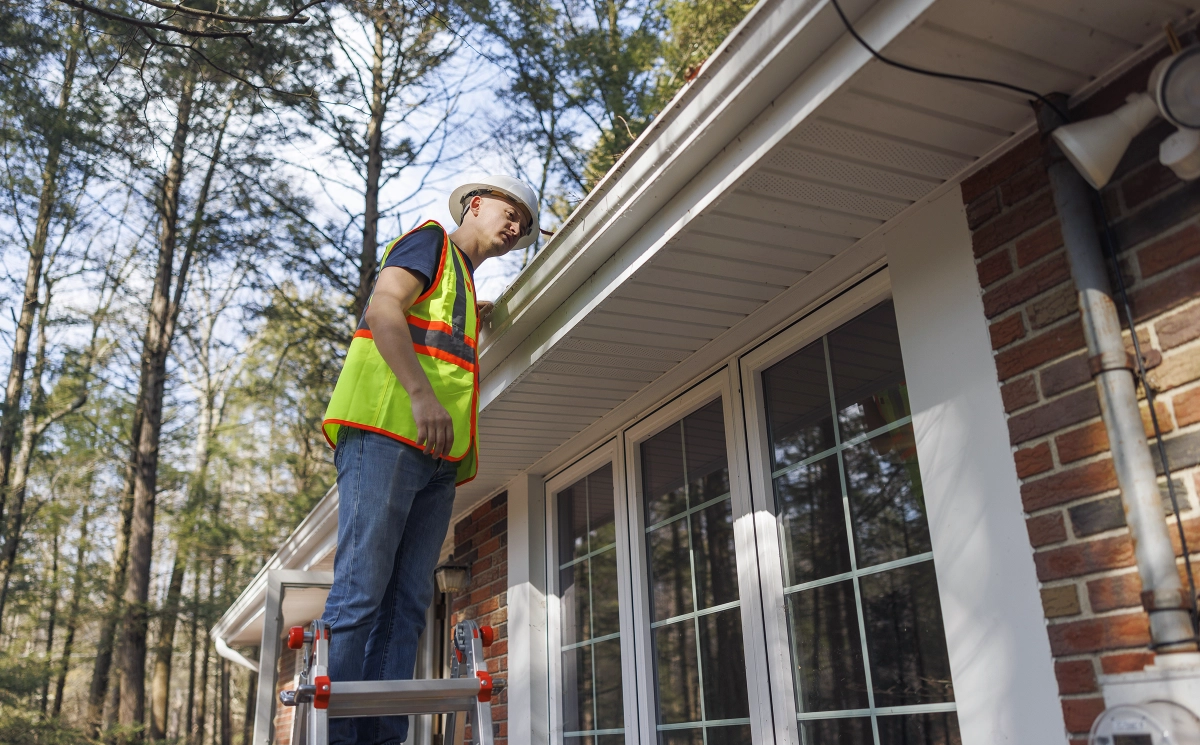
The pre-purchase inspection ensures the house is in good condition and free of major defects. An inspector checks the structure, plumbing, and electrical and heating systems. They can identify potential problems as well (mould, cracks, etc.). The final inspection report details the house’s overall condition and includes recommendations. This document can also serve as a negotiating tool to request repairs or a price adjustment. To find a professional building inspector, consult our article.
7. Negotiate the Home Purchase
Brokers play a crucial role during negotiation: they represent your interests and help you avoid unnecessary fees by advising you on what conditions to include in your offer. Here is how the negotiation process works:
- The Promise to purchase (or purchase offer): The broker submits an offer to the seller’s broker, including the proposed price, conditions, and desired deadlines. This is a formal contract! It’s important to only make a promise to purchase when you’re 100% certain that you want to buy the property.
- Counter-offers: The seller may accept the offer, reject it, or submit a counter-offer. Negotiations might focus on the price, the possession date, and certain inclusions (such as appliances or furniture).
- Closing the deal: Once an agreement has been reached, the promise to purchase becomes a contract that binds both parties.
8. Meet With the Notary
The notary is responsible for completing the transaction. First, they will examine the important documents, such as the certificate of location, titles, debts associated with the property, and the Declaration of Co-ownership (in the case of a condo), to ensure ownership of the property can be transferred without any legal issues.
Next, the notary schedules an appointment with the buyer. During this appointment, the buyer will be required to provide proof of home insurance. Next, the deed of sale will be signed, formalizing the transfer of ownership. The notary will then oversee the last payment and register the purchase with the Land Register, thereby finalizing the transaction.
To learn more, consult our article: The Appointment at the Notary’s.
9. Plan Your Move
You will have agreed on the date on which you will take possession of the house with the seller beforehand.
Once the purchase is finalized, it’s time to organize your move.
- Schedule moving day: Coordinate truck rental or moving services to coincide with the house’s possession date.
- Change your address: Inform your service providers (internet, electricity, etc.), your bank, and government agencies of your new address.
- Plan small renovations and improvements: Before you move in, consider making a few alterations to make your home even more welcoming.
Whether you’re buying your first property or your tenth, the steps remain the same. In either case, it’s best to seek professional assistance, particularly from a broker, to ensure you have a pleasant and hassle-free real estate purchase experience.